
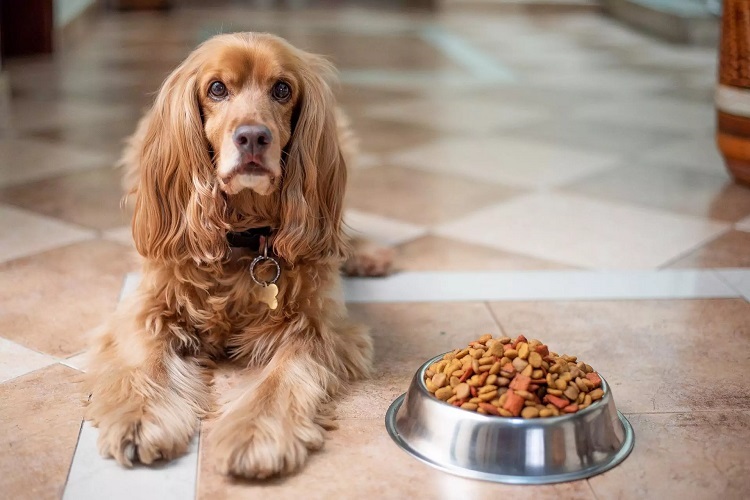
Young or adult dogs may suffer from loss of appetite for food, which is one of the health problems of dogs that should not be ignored, as it is dangerous to the dog’s health and life. It is worth noting that loss of appetite in young dogs may be real, such that the dog does not want to eat, does not feel hungry, or Fake, so the dog is actually hungry, but he cannot eat his food because he is exposed to some problem; Such as difficulty chewing or swallowing, or the presence of a health problem. In both cases, it is important to begin taking the necessary remedial measures, such as visiting the veterinarian or finding other solutions if the dog is in good health.
Table of Contents
How do I deal with loss of appetite in small dogs?
First of all, it is important not to leave the puppy without food for more than a full day without consulting a veterinarian, especially if he is also abstaining from drinking water, or has symptoms of illness. Such as diarrhea, vomiting, or lethargy, [2] but if it is confirmed that the dog is in good health, the following solutions can help in treating the small dog’s loss of appetite:
- Stimulate puppies with their favorite dog foods, such as; A piece of beef or chicken, as most dogs actually cannot resist meat, or foods with a strong smell, such as; Liver, or peanut butter.
- Heat the puppy’s food slightly to release its scent and stimulate the dog’s appetite, or mix dry dog food with warm chicken broth.
- Stimulate the appetite of puppies by mixing regular dog food with moderate amounts of yogurt or cheese, or offering a little canned food rich in meat and fat. It is also recommended in some cases to mix dog food with small amounts of cat food because it contains a high percentage of protein.
- Adhere to a fixed feeding schedule for the puppy, and do not leave the dog’s food in front of him for long periods. It is recommended to take the food in front of him if he does not eat it, and then try again after an hour, for example, as this may help stimulate the appetite centers in his brain.
- Changing the dog’s food dish, or moving it to another place, may help draw his attention to the food, and feeding the puppy by hand may also help motivate him to eat his food.
- Exercise the dog regularly, and take it for outdoor walks from time to time.
What is the normal range for the number and quantities of meals for small dogs?
Newly weaned puppies begin by eating small amounts of food divided into 4 meals, due to their small stomachs. Then these amounts gradually increase as the dog grows, while reducing the number of meals. At the age of approximately 4 months, dogs of small breeds are satisfied with three meals a day. When they reach the age of 4-10 months, they can be given only two meals a day. As for larger dogs, the number of their meals can be reduced to three meals at the age of 6 months, then to two meals. When she is 6-12 months old.
The quantities of meals for small dogs depend on the breed, age, and size of the dog. Ready-made puppy food products usually provide instructions labeled on the product explaining the appropriate amount of food for the puppy’s meal. However, if the recommended amount is for a full day, it must be divided into meals appropriate to the age of the dog, as we mentioned previously. It is also worth noting that adult dog food is not suitable for small puppies, so it is important to ensure that commercial dog food is intended for puppies. As for adult dog food, it can be started to be served to the dog at the age of 9-12 months for small dog breeds, or at the age of 12-18 for dog breeds. Large, or two years old for large breeds.
