
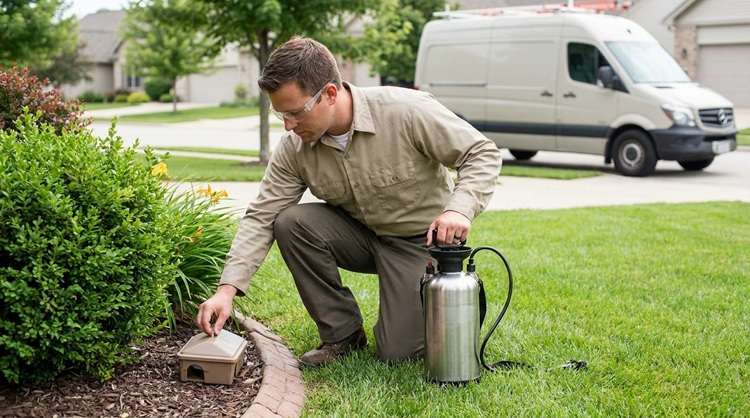
Frisco is growing rapidly, and this, especially when combined with the Blackland Prairie geography of the region, creates unusual pest problems. As habitats are cleared for residential development, local pest species are often forced to move into surrounding homes. Patterns may vary but continue across all neighborhoods, including landscaped communities in Plantation Resort to construction zones of West Frisco. Like most cities and towns in North Texas, Frisco has extreme heat and erratic moisture, which further supports infestations.
Instead of spending your money on DIY products and remedies, consider calling a professional pest service in Frisco like Romneypestcontrol.com. The technicians at Romney are known for serving all areas of the region and have great experience tackling different infestations. We asked the team about the species homeowners can expect here, and this is what they shared.
- Subterranean Termites: Termites are one of the major concerns in Frisco, as these insects can damage entire homes if left unchecked. Colonies, which can house up to a million termites, rely on the clay-heavy soil to survive. Homes where there is contact between wooden components and soil are at a higher risk. The best approach is to schedule an inspection in spring each year, so that technicians can check for swarms and take immediate steps. Professional work includes soil treatments.
- Fire Ants: Fire ants are an invasive and aggressive species that thrive in disturbed soil, especially in areas with ongoing construction. This species of ants is known to build large mounds in lawns and landscapes and can be a risk to pets and kids. They have an omnivorous diet, which allows them to exploit food sources in both gardens and home interiors.
- Fleas and Ticks: If you have dogs and cats at home, you should be concerned about ticks and fleas, which can cause serious health issues like tick fever. Local wildlife, such as mice, rats, and squirrels, can also carry these insects inside your home. Fleas reproduce with extreme speed, and DIY treatments often fail because homeowners ignore the life cycle of the species, allowing pupae and larvae to survive. More often than not, homes have repeat infestations.
- Stinging Insects: Bees, wasps, and hornets are most active during summer and often nest in eaves and ventilation gaps of Frisco homes. In late summer, these insects start searching for food and water, which leads them to nest in areas where they become a direct threat to homeowners. If you spot a nest, make sure to call the professionals immediately. Don’t assume that wasps or hornets will leave in a few days.
- Cockroaches: Both German and American are common in Frisco. American cockroaches prefer outdoor environments but frequently get inside during extreme Texas heat or after heavy rain. German cockroaches are mostly active inside homes, and you are more likely to find them at night when you switch on the lights in kitchens and bathrooms. Frisco neighborhoods with more density of homes are at a higher risk, as roaches can move between homes using utility lines, making containment difficult.
- Rodents: House mice and rats start moving inside homes in the fall when temperatures fluctuate. Beyond being a health risk, rodents have a constant need to chew, which means they can destroy insulation and electrical wiring within days. The most effective step is to ensure exclusion in late summer, and if you fail to do that, you can expect peak winter activity.
Other pests you can expect here include spiders, such as the brown recluse, beetles, and stink bugs. Silverfish and centipedes are also seen inside homes, especially in basements, bathrooms, and laundry rooms. If you haven’t called a pest control provider in Frisco in the last few months, do that now and get your home checked.
