
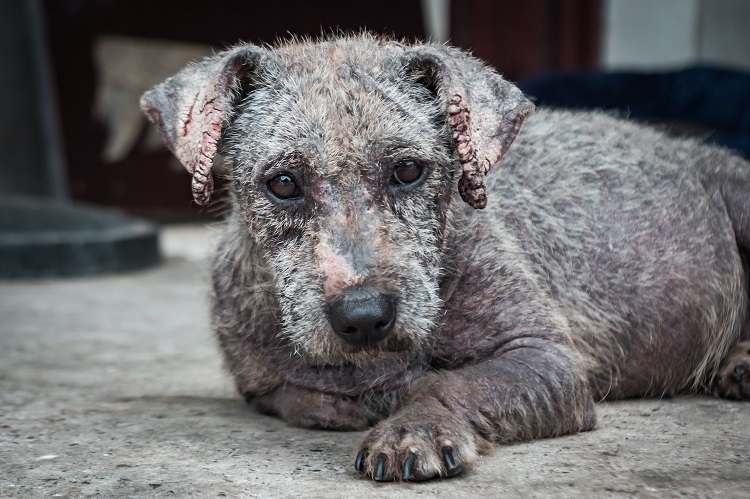
There is a group of diseases that affect the sexual organs of dogs in both males and females. These diseases are the result of a defect in these reproductive organs for several reasons, leading to the occurrence of harmful reproductive diseases that may have many risks and complications at times. Most of these diseases are bacterial infections. Or fungal or viral, they are transmitted to dogs and infect their reproductive system. These diseases include dystocia, false pregnancy, follicular cysts, and mastitis in females, while males suffer from orchitis, epididymitis, brucellosis, and others.
Table of Contents
Diseases of the reproductive system of dogs
Vaginal overgrowth disease
The following is the most important information about the disease:
- Symptoms of the disease: This disease has symptoms such as licking the vaginal area and vaginal secretions of mucus, pus, or blood. Rubbing and redness of the vaginal area may occur.
- Its causes: This disease occurs due to urinary tract infections, foreign objects in the vagina, or urine or fecal contamination in the vulva.
- Its seriousness and complications: This disease goes away on its own when the stage of estrogen production ends.
- Treatment and prevention: Treatment is through daily sterilization of the area, paying attention to the dog’s movement so as not to bump it into anything, and using antibiotics.
Secondary fusion disease
The following is the most important information about the disease:
- Symptoms of the disease: Secondary accretion occurs at the placental sites, due to fusion in it, and this disease is considered a disorder that occurs in dogs after pregnancy.
- Its causes: This disease occurs due to the abnormal repair that occurs to the lining of the uterus after pregnancy.
- Its seriousness and complication: Bloody secretions occur as a result of the disease for up to 16 weeks after birth, and may be for a longer period. These secretions contain blood, and here lies the danger of the disease, as the blood loss is very severe.
- Treatment and prevention: Treatment for this disease is spontaneous and without intervention, but sterilization may help in treatment and is important in cases of severe bleeding.
Bursal cyst disease
The following is the most important information about the disease:
- Symptoms of the disease: The disease causes an expansion in the hair follicles, and these follicles contain fluid and appear in the form of skin ulceration.
- Its causes: It occurs due to clogged pore opening or due to inactivity of hair follicles, and this is specifically in bald breeds.
- Its seriousness and complications: This disease may affect the uterus in dogs, so dogs infected with this disease must be monitored so that the disease does not develop further.
- Treatment and prevention: Treatment is through surgical removal or through laser treatment.
Inflammatory disease of the uterus
The following is the most important information about the disease:
- Symptoms of the disease: Dogs’ high temperatures, depression, abdominal bloating, and loss of appetite are signs of uterine inflammation and pus-like secretions from the vulva may also occur.
- Its causes: The cause of this disease is a bacterial infection caused by Escherichia coli that infects the uterus after a difficult or long childbirth.
- Its danger and complications: The infection may be transmitted from the mother to the young dogs, and this means that the children should not approach the mother, otherwise it will cause them harm.
- Treatment and prevention: Removal of the ovaries and uterus is the ideal solution for the disease, and medications such as antimicrobials can be used.
Ovarian remnant syndrome
The following is the most important information about the disease:
- Symptoms of the disease: The disease shows swelling in the vulva and vaginal discharge mixed with blood.
- Its causes: This disease occurs due to the presence of tissue left behind from the ovaries after the dog was sterilized.
- Its seriousness and complications: If the disease is not treated, the remaining estrogen may lead to tumors in the mammary glands in addition to tumors in the ovaries.
- Treatment and prevention: Treatment is done by subjecting the dog to laboratory tests through which functional ovarian tissue is discovered, and then the doctor removes the ovarian tissue through surgery.
Other diseases affecting the reproductive system of dogs
Below we mention some other diseases that affect the reproductive system of dogs:
- Pyometra infection disease: This disease is a bacterial infection that occurs in the uterus and its main cause is the hormonal changes that occur in dogs that have not been sterilized, specifically dogs that are more than 5 years old. This disease occurs after estrus, that is, the dog’s temperature rises within 4 to 6 weeks. [3]
- Brucellosis: This disease is considered a contagious bacterial infection caused by a bacteria called Brucella canis. It is a highly contagious disease that occurs in various ways and also occurs during sexual contact. It may infect many animals such as sheep, goats, cattle, deer, elk, and pigs.
- Pregnancy disorders: These are complications that occur after pregnancy, such as miscarriage, dystocia, mastitis, and eclampsia.
- Pyometra: It is one of the common diseases called “uterine pus” in Latin. It is an infection that most often affects older dogs due to hormonal changes.
Dog care tips
Below we mention the most useful tips for caring for dogs:
- The environment containing the dog must be taken care of in terms of cleanliness and protection from any dangers, as this is essential for a good life.
- Fresh water must be constantly available, as this helps maintain the dog’s health and energy.
- Attention must be paid to the dog’s diet and the quality of the food provided.
- Regular visits to the veterinarian should be given to the dog.
- You must pay attention to the dog’s movement in terms of exercise and provide regular exercise for the dog’s movement while trying to interact with the dog, as dogs are social creatures that love to interact with their owner.
