
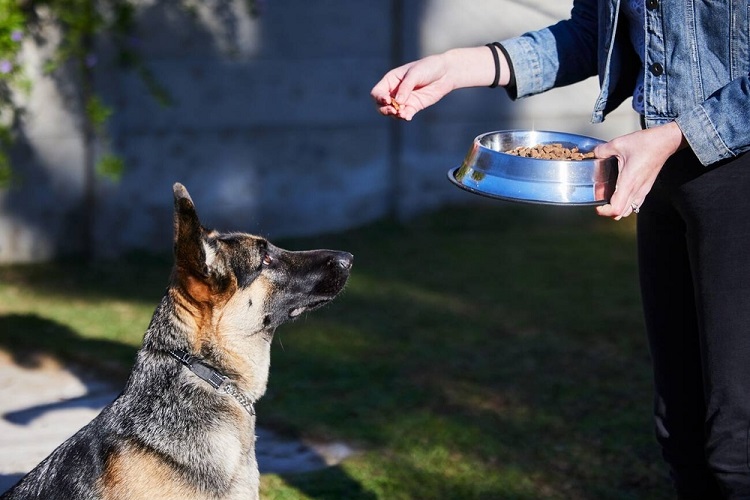
Switching your pup’s dinner can feel like tiptoeing through a minefield. You’re aiming for a food upgrade packed with goodness, yet you worry about grumbling tummies and that classic picky stare at the bowl. Luckily, changing over to cold pressed dog food can be a breeze. This is according to the people at Nextrition. A dash of strategy and a pinch of patience, and you’ll both be on the same happy path.
Table of Contents
The Slow and Steady Secret
Indoor dogs rely on a sensitive digestive schedule. Switching blends is like a digestive system revolt. Dogs need a gentle introduction to new tastes and textures. Their guts digest food with the help of microbes, which must adjust to dietary changes, potentially causing issues. Make gradual changes over a week or two to avoid digestive issues.
The Seven-Day Transition Plan
Kick off the switch by stirring in a small scoop of the cold-pressed food with your dog’s current kibble. Aim for 25% new and 75% old on day one. This ensures a subtle change for your dog.
For days two and three, keep the 75-25 split. Track your dog’s reactions. Are they polishing off the meal and keeping to their potty schedule? Those good signs mean you’re keeping the pace just right.
When you hit days four and five, level up the cold-pressed food to a 50-50 split. By now the new stuff should smell and taste a lot less foreign, and mealtimes often dial up a notch of enthusiasm.
For meals on days six and seven, approximately 75% should be the new cold-pressed food and 25% the old food. Most dogs adjust to the new food within a week, though some need more time.
Reading Your Dog’s Signals
Pay attention to your dog’s cues when changing their food. Whether they eat with enthusiasm or not shows how they’re feeling. A dog that jumps up for the mixed meals and cleans the bowl is generally telling you they’re on board with the new recipe.
Energy is another tell. Happy dogs become more energetic and cheerful. If yours becomes unusually draggy or starts leaving food behind, it may be time to dial back the switch a notch.
Finally, the bathroom report is never to be ignored. Small, moist, and tidy stools are a good sign the tummy is settling in. If something seems off, hold the course.
Troubleshooting Common Hiccups
For some dogs a little extra coaxing is the secret ingredient when introducing a new food. If your dog isn’t interested, warm the food slightly to make them smell better. A stronger scent often pleases picky eaters.
Another friendly nudge is a splash of low-sodium broth. A spoonful mixed in adds a savory hug that masks the newness. Just double-check the label for onion garlic or anything pesky that could trouble your pup’s tummy.
If you notice loose stools or a rumbling tummy breathe easy and slow the train down. Hang at each step for a few extra days for a gentler move. Some dogs sail through in five days others need ten and both are just fine.
Conclusion
Taking the slow road to cold-pressed food is a little workout for the heart but the finish line is shiny. Once your pup is settled you’ll notice a wag that feels bouncier brighter eyes better potty habits and a new dance at the food bowl. Keep your eyes on the joyful little signs and throw a mini celebration when they happen—maybe a scratched belly extra toss of a favorite toy. Before you know it that little triumph adds up and you’ll have a happy tail that keeps wagging through every bowl refill.
