
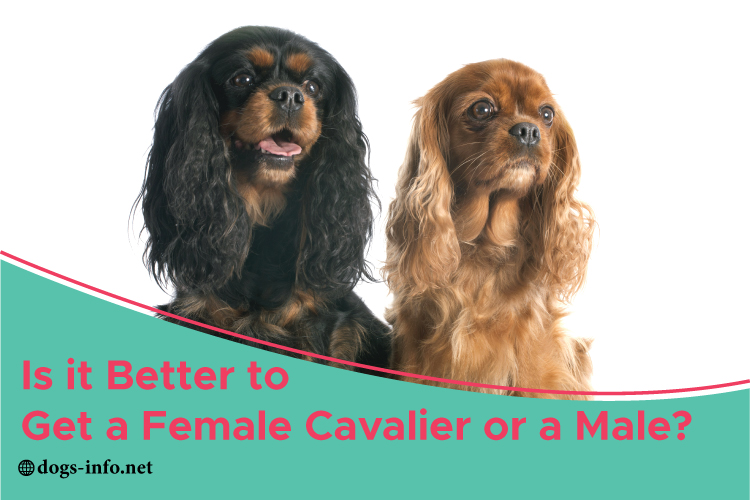
The Cavalier King Charles Spaniel, a breed synonymous with elegance, loyalty, and unparalleled affection, has become a favorite among dog enthusiasts. But when it comes to choosing between genders, many find themselves at a crossroads, pondering, “Is it better to get a female cavalier or a male?” This article aims to shed light on this query, offering a deep dive into the world of Cavaliers.
Table of Contents
The Charm of the Cavalier King Charles Spaniel
Originating from the United Kingdom and tracing its lineage back to the 17th century, the Cavalier King Charles Spaniel has always been a breed associated with nobility. Named after King Charles II of England, who was seldom seen without two or three little spaniels, the breed quickly became a favorite among the royals. Their presence in historical paintings and tapestries is a testament to their esteemed status.
But it’s not just their royal lineage that makes Cavaliers so special. Their endearing personality, silky coats, soulful, expressive eyes, and ever-wagging tail have endeared them to millions worldwide. Their ability to form deep bonds with their owners, playful yet gentle nature and adaptability to various living conditions have made them not just pets but cherished family members.
| Feature | Male | Female |
| Average Height | 13 inches | 12 inches |
| Average Weight | 13-18 pounds | 10-18 pounds |
| Build | Sturdier | Delicate |
Deciphering the Gender Dilemma
The decision is never straightforward when choosing a pet, especially a breed as versatile as the Cavalier. While some potential owners might have a preference based on past experiences or preconceived notions, many find themselves pondering the age-old question: male or female?
The gender decision transcends mere physical appearance or size. It’s about understanding the subtle nuances in temperament, the potential health issues each gender might face, and how they might interact with other pets in the household. For instance, while males might be more outgoing and playful, females could be more independent and reserved. Health-wise, while both genders face certain common issues, there are ailments specific to each gender.
Furthermore, the dynamics with other pets can vary based on gender. A male might be more territorial, especially if other males are nearby, while a female might be more nurturing.
Is it Better to Get a Female Cavalier or a Male?
Size Matters
Though classified as a toy breed, the Cavalier King Charles Spaniel showcases noticeable differences in size when comparing males to females. With their slightly larger frame, males generally stand about 13 inches tall at the shoulder. Their weight, reflecting their sturdier build, typically ranges between 13-18 pounds. This robustness gives them a slightly more commanding presence, though they remain endearingly small compared to many other breeds.
Females, on the other hand, exude a more delicate charm. Standing slightly shorter at approximately 12 inches, their build is often more refined. Their weight, mirroring their petite stature, usually weighs 10-18 pounds. This intricacy, however, does not detract from their spirited nature.
It’s essential to note that these figures are general averages. Like humans, individual Cavaliers may vary in size due to genetics, diet, and overall health. Some females might be larger than the average male, and vice versa. It’s always a good idea to meet the puppy’s parents or consult with the breeder to get a more accurate estimate of a puppy’s adult size.
The Subtle Difference in Appearance
While size is an obvious differentiator, there are other, more subtle distinctions in appearance between male and female Cavaliers. Males often have a broader, more rounded head, giving them a somewhat regal appearance. Their bodies, too, reflect their robustness, with a more muscular build and a thicker neck. This doesn’t mean they’re bulky; a slight difference gives them a sturdier look.
Females, in contrast, have a more delicate facial structure. Their heads might be slightly more tapered, and their expressions often seem softer. Their bodies, while equally athletic in their own right, don’t have the same muscular definition as the males. Instead, they possess a certain finesse in their features, with a slenderer neck and a graceful silhouette.
These differences, while subtle, contribute to the unique charm of each gender. Whether you’re drawn to the sturdiness of the males or the elegance of the females, both genders of the Cavalier King Charles Spaniel are undeniably captivating in their own right.
Delving into Temperament: Beyond the Gender Stereotypes
The Affectionate Male
Regarding the male Cavalier King Charles Spaniel, one word often comes to mind: affectionate. These little gentlemen are known for their boundless love and devotion to their owners. Talk to any male Cavalier owner, and they’ll likely share tales of a furry shadow that follows them from room to room, always eager to be by their side. These males are ever-present, whether snuggling on the couch during a movie night or accompanying them during household chores.
Their boundless energy, combined with an insatiable need for affection, often makes them the heart and soul of the household. Their playful antics, be it chasing after a toy or playfully wrestling with a cushion, exude an almost childlike innocence that’s hard to resist. Their expressive eyes, always seeking approval or a gentle pat, make them irresistible and often the center of attention.
The Independent Female
Females, on the other hand, present a slightly different temperament. While they are equally loving and devoted, they often showcase a more independent streak. This independence manifests in various ways. For instance, a female Cavalier might decide when she wants to cuddle or might find a quiet corner to relax after a play session.
This sense of autonomy doesn’t mean they’re less loyal or affectionate. It’s just that they often strike a balanced blend of loyalty and liberty. They can be as playful and engaging as their male counterparts, but they also cherish moments of self-reliance. This isn’t to say they’re aloof or distant; they have moments where they enjoy their own company, making them a perfect companion for those who appreciate a pet with a touch of independence.
Real Stories
The world of Cavaliers is filled with delightful stories that highlight the unique personalities of each gender. Forums, blogs, and pet communities brim with anecdotes that bring these differences to life.
For instance, tales of male Cavaliers who’ve managed to drag an entire loaf of bread off the counter, not for mischief but perhaps to share with their owner. Or stories of females showcasing incredible agility, leaping gracefully to catch a butterfly, or even outsmarting other pets in playful games.
These real-world stories, shared by proud Cavalier owners, offer a glimpse into the day-to-day adventures of living with these wonderful dogs. They highlight the differences between genders and the shared traits that make Cavaliers a beloved breed.
The Training Terrain
Training a Cavalier King Charles Spaniel brings forth the question, “Is it Better to Get a Female Cavalier or a Male?” Regardless of gender, the journey is filled with joy, laughter, and occasional challenges. Their innate intelligence and eagerness to bond with their owners make them receptive to training, but there are differences to consider based on their gender.
Males: Eager to Please but Distracted
When embarking on the training journey with a male Cavalier, one quickly realizes that while they are incredibly eager to please, their playful and curious nature can sometimes be distracting. It’s not uncommon for a male Cavalier to be suddenly captivated by a fluttering butterfly or the mesmerizing movement of their tail in the middle of a training session. These moments, while endearing, require trainers to exercise patience and employ techniques to recapture their attention.
However, their innate desire to please their owners is a significant advantage. Once you’ve managed to get their focus back, they’re enthusiastic learners. With consistent training, positive reinforcement, and a little patience, male Cavaliers can master a wide range of commands and tricks, even if it takes a few extra sessions compared to their female counterparts.
Females: Quick Learners with a Streak of Stubbornness
Training a female Cavalier often presents a different set of challenges and rewards. Their slightly more mature and focused demeanor means they often grasp new commands and tricks more quickly. They’re attentive observant, and seem to have an innate ability to understand what’s expected of them.
However, their independent streak, which many female Cavalier owners will attest to, can sometimes manifest as stubbornness during training sessions. A female Cavalier might not be interested in a specific trick or command, especially if she doesn’t see its immediate benefit or relevance. In such cases, trainers might need to employ creativity, making the training session more engaging or offering a higher value reward.
The Role of Early Socialization
Whether you’re training a male or female Cavalier, the importance of early socialization cannot be overstated. During their formative weeks, puppies are like sponges, absorbing experiences and learning about the world around them. Exposing them to various environments, sounds, animals, and people during this critical period can impact their temperament and behavior.
Early socialization ensures that Cavaliers become well-adjusted adults, reducing the likelihood of fear or aggression towards unfamiliar situations or beings. Regular playdates with other dogs, visits to different environments like parks or pet-friendly cafes, and even simple car rides can provide invaluable socialization experiences. This foundation not only aids in training but ensures that your Cavalier grows up to be a confident, friendly, and well-rounded adult.
Because of this, it’s vital to choose a breeder who prioritizes these early developmental milestones. Reputable breeders like Maple Grove Cavaliers understand the importance of this early stage and often begin the socialization process before puppies even go to their forever homes.
Concerns for Every Cavalier Owner
The health and well-being of a Cavalier King Charles Spaniel are of utmost importance to every responsible owner. While Cavaliers are known for their affectionate nature and charming demeanor, they, unfortunately, come with their share of health concerns.
Common to both genders is the risk of Syringomyelia (SM), a severe and often painful condition where cavities or cysts form within the spinal cord near the brain. It’s a condition that requires regular monitoring and can significantly impact the quality of life. Another prevalent concern is Mitral Valve Disease (MVD), a heart condition that can progress with age.
However, gender plays a role in some health risks. Males, for instance, might be more susceptible to prostate issues, especially as they age. On the other hand, females might face challenges related to their reproductive health, including conditions like pyometra.
Coexisting with Other Furry Friends
Bringing a new Cavalier into a home with existing pets requires careful planning and patience. Male Cavaliers, especially if they haven’t been neutered, might exhibit territorial behavior, marking their space or showing aggression towards other male animals.
Females, generally more accepting of newcomers, aren’t without their quirks. They might display dominance, especially towards another female, leading to potential conflicts.
The key to a harmonious household is a slow, supervised introduction. Ensuring each pet has designated space, toys, and feeding areas can also help ease any initial tension and establish a peaceful coexistence.
Navigating Reproductive Realities
Reproductive health is a significant consideration for Cavalier owners. Neutering males can not only reduce unwanted litters but can also curb territorial and aggressive behaviors. The procedure also offers health benefits, eliminating the risk of testicular cancer and significantly reducing prostate issues.
For females, spaying is equally crucial. Beyond preventing unwanted pregnancies, spaying can eliminate risks associated with ovarian and uterine cancers. It also significantly reduces the chances of mammary tumors, especially if done before the first heat cycle.
The Financial Facet
Owning a Cavalier King Charles Spaniel is a joy and a financial commitment. The initial cost can vary widely based on the dog’s lineage, the breeder’s reputation, and even unique color patterns.
Gender-specific costs also come into play, especially when considering the expenses associated with neutering or spaying. Beyond these one-time costs, owners should budget for regular vet check-ups, vaccinations, preventive care, and potential surgeries or treatments for any health issues that might arise.
Voices from the Cavalier Community
While research and expert opinions are invaluable, a depth of understanding comes from real-world experiences. The CavalierTalk forum, a hub for Cavalier enthusiasts, is a treasure trove of insights, personal stories, and practical advice.
From hilarious anecdotes of males sneaking food off the table to heartwarming tales of females cuddling with their owners during a storm, these stories paint a vivid picture of life with a Cavalier. They underscore that despite their occasional mischief, the love, joy, and companionship Cavaliers bring into our lives make every challenge worth it.
Concluding Thoughts
Whether male or female, the journey with a Cavalier is filled with love, laughter, challenges, and countless memories. While this article provides a comprehensive overview of the question, “Is it Better to Get a Female Cavalier or a Male?” the decision ultimately rests on individual preferences, lifestyle, and the specific dog’s temperament. Remember, every Cavalier is unique, and gender is just one facet of their multifaceted personalities.
