
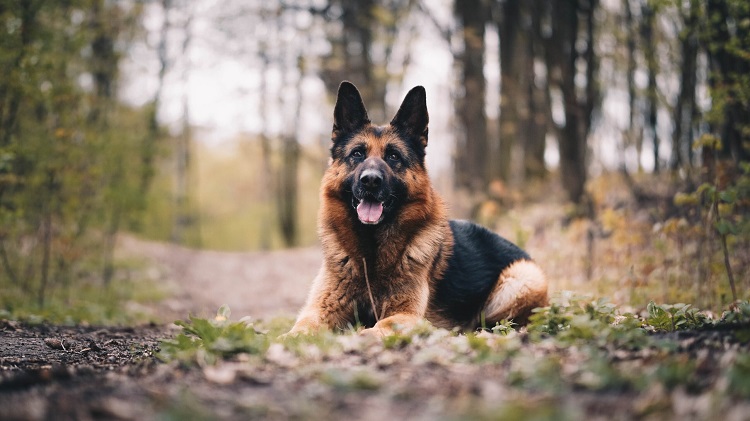
- German dogs: The German shepherd is always ranked at the top of the most popular dog breeds in America, thanks to its calm and confident behavior and speed of learning.
- German Shepherd Dogs’ length: ranges from 91-108 cm.
- Weight of German dogs: Its weight ranges from 23 kg to 41 kg.
- Characteristics of German dogs: Mostly they are a mixture of black and brown, but there are black or white ones.
- Average lifespan of German Shepherd dogs: 7 to 10 years.
Table of Contents
Characteristics and behavior of German dogs
Personal characteristics of the German Shepherd Dog
Below are the characteristics and behavior of German dogs and some personal traits
- German Shepherds can adapt to almost anywhere, as long as they get regular exercise, but given their size, having an exercise yard in the house would be a good idea.
- German Shepherds require a lot of training, are easy to train, and are a good partner for almost any sporting activity.
- German Shepherds are loyal, brave, reliable, intelligent, and somewhat aloof dogs. They also focus intensely on their leader and are not friendly with people who are not part of the family.
- German Shepherds can be gentle and friendly, but they must be trained well, accustomed to children, or raising both a puppy and a child at the same time.
- The German Shepherd dog barks well, like many other herding dogs, as they bark when in doubt and when they hear strange sounds.
- They have double-coated hair to adapt to harsh weather conditions, and temperate weather is best suited for them.
Tips for dealing with German Shepherd dogs
Here are how and tips for dealing with a German Shepherd
- German Shepherds need a lot of mental stimulation, and plan to spend a lot of time training to create a well-balanced dog.
- They are very active dogs and require exercise every day.
- German Shepherds are strongly attached to their families and need lots of quality family time and social interaction.
- It may be exposed to some health risks, so it is recommended to avoid raising it in the outdoor yard of the house and to secure a health insurance subscription to care for it.
Nutrition of German Shepherd Dogs
Necessary foods for German Shepherd dogs
Below are the most important foods that German Shepherd dogs need
- It should be borne in mind that food suitable for adult dogs is not suitable for emerging dogs until they reach the age of 12-24 months. [6]
- The German Shepherd is an omnivore, which means it is suitable for chicken breasts and sausages.
- German Shepherd dogs prefer cheese, beef, and lamb, but they should be eaten in moderation and under the supervision of the breeder.
- German Shepherd dogs have sensitive stomachs, so carrots and peanut butter are suitable foods for them.
Foods that are not suitable for German Shepherd dogs
The following are foods that are harmful or not suitable for German Shepherd dogs
- cats food.
- Avocado.
- Grapes and raisins.
- Chocolate and cocoa.
- Alcohol and caffeine.
- Some types of nuts.
- Mushrooms.
- Fruit seeds.
- Garlic and onions.
The number of meals suitable for German Shepherd dogs
Below is the number of times a German Shepherd eats
- The overall nutritional needs of a German Shepherd depend largely on age and vary greatly at different stages of their life. For newborn puppies (under 16 weeks), it is best to feed them approximately half a cup of quality food two to three times a day.
- Serving amounts should be increased to 1.5 cups of high-quality food (twice daily) between 16 weeks and 9 months, gradually increasing to 2 cups by the end of the dog’s first year.
- The recommended daily feeding should be increased to 3 cups of food (twice a day) by the age of one year.
German Shepherd Dog Health
The following are the most common diseases that affect German Shepherd dogs
- Joint Diseases: German Shepherd health issues include degenerative joint diseases that can cause pain throughout their lives, with dysplasia of the elbow or hip.
- Degenerative myelopathy: a spinal cord-affecting neurological condition. The paralysis of the back legs might result from this condition. Having trouble standing and experiencing weakness in the back legs are early symptoms of degenerative myelopathy. While there isn’t a solution at this time, physical therapy can assist maintain muscles and increase leg mobility.
- Cancer: Lethargy and loss of appetite are two symptoms of cancer that can affect German Shepherds. Other cancers that might affect them include bowel, lung, and bone cancer. Angiosarcoma is a type of cancer that commonly develops in blood-rich places like the heart or spleen. Surgery, radiation therapy, or chemotherapy may be used as treatments, depending on how severe the condition is.
- Bloat: This can turn into a life-threatening condition as the abdomen swells, and is more common in deep-chested dogs like German Shepherds.
- Allergy: It is represented by sneezing and constant itching. The cause may also be an allergic reaction to the dog, and treatments can range from changing the diet to medication.
Maintaining the health of German Shepherd dogs
Below are general tips for maintaining the health of the German Shepherd
- German Shepherd dogs prefer regular exercise, as they are animals that love routine, and exercise and walking help maintain joint health.
- German Shepherd dogs need the right diet to help them grow balanced and healthy.
- Keeping your German Shepherd’s mouth clean helps protect it from many diseases.
- Regular health examinations are recommended to stay informed about the health status of German Shepherd dogs.
- Avoid high temperatures.
Other tips on raising German Shepherd dogs
The following are tips related to raising and caring for German Shepherd dogs
- Putting her routine care on a schedule helps your dog live longer, stay healthier, and be happier throughout her life.
- It is recommended to monitor the dog just as a small child is monitored, as this will keep her out of trouble and away from things that she should not put in her mouth.
- They need thorough brushing at least weekly, their hair is replaced twice a year, and they lose massive amounts of hair; Therefore, it is recommended to brush it daily during this time.
- German Shepherds typically have healthy teeth, but you can keep them that way by cleaning them twice a week.
- Cleaning her ears once a week is ideal.
- They are known to be large, intelligent dogs with a lot of energy, so their mind and body must be kept active, otherwise they will get bored.
- It is recommended to maintain a constant diet for the dog and it should not be fed randomly.
- The diet should be of high quality and appropriate for her age.
- It is recommended to exercise the dog regularly, but not to overdo it at first.
