
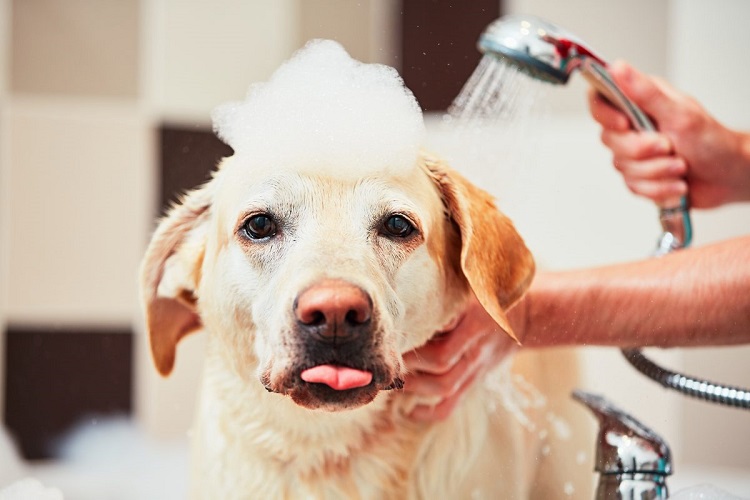
Dandruff is dead skin cells that fall out of the skin, and it is a problem that is not limited to humans, as pets can also suffer from it. When these cells gather together, they look like white flakes. If you are one of those who take care of pets, you may notice that dandruff is It is more noticeable in dark-colored animals or animals that scratch and scratch themselves more than normal.
Table of Contents
The most common treatments for dog dandruff
Most dogs suffer from dandruff as a secondary result of a primary cause. The most common causes are allergies, skin infections, immune diseases, and endocrine disorders. Here are some common treatments for these causes:
- If allergies are the cause of dandruff, it can be treated according to their cause, as allergies are divided into two types: environmental allergies, which are the most common and are treated by giving specific medications by the veterinarian, or food allergies. The veterinarian may recommend a change in the dog’s diet. To determine the type of food causing the allergy and avoid it.
- If a skin infection is the cause of the dandruff problem in dogs, the dog is treated either with topical antiseptics or with specific medications taken orally, which the doctor prescribes depending on the severity of the infection.
- The doctor prescribes medications taken orally for cases of dandruff resulting from immune diseases. These medications work to suppress and reduce the reaction of the immune system that causes skin inflammation and to replace and compensate for the oils that the skin loses due to these infections.
- Dandruff caused by endocrine disorders is treated by giving the dog the necessary supplements of this thyroid hormone, or by giving a medication that reduces the amount of excess steroid in the event of Cushing’s disease.
Home remedies for dog dandruff
There are many procedures that can be done at home, to make your dog more comfortable and less disturbed by dandruff. By following these treatments, your dog will have dandruff-free skin in a short time:
- Care and combing: Clean your dog and comb its hair regularly using a suitable hairbrush, to keep your dog’s skin clean and shiny, and to prevent dandruff.
- Buy an anti-dandruff dog shampoo: Replace your dog’s regular shampoo with one designed to eliminate dandruff. You must make sure that the shampoo is intended for dogs, because the pH of dogs’ skin is different from that of human skin.
- Washing with lemon juice: Wash your dog’s hair with lemon juice, because vitamin C is considered an effective treatment for eliminating dandruff.
- Use an air humidifier: Use an air freshener and humidifier in the dog’s sleeping area, because low humidity in the air increases the dryness of the dog’s skin and leads to the appearance of dandruff.
- Soothe the skin using oatmeal: Use oatmeal to soothe itchy skin, because constant scratching is a major cause of dandruff in dogs.
- Feeding dogs a good diet: Make sure that the dog’s diet contains appropriate and balanced nutrients, and make sure that your dog does not suffer from an allergy to any type of food, as proper nutrition leads to better skin and reduces the presence of dandruff in the hair.
Nutritional supplements for dog dandruff
A nutritional supplement must be added to the dog’s daily food routine, in order to take better care of the health of its skin and hair, but not all nutritional supplements are the same. The following factors must be taken into account when shopping for these supplements:
- Focus on Omega-3 fatty acids: Omega-3 fatty acids promote healthy hair and skin, along with many other benefits such as reducing allergies, arthritis pain, etc. These acids are found in many different sources such as fish, sea kelp, coconut oil, and flax seeds.
- Pay attention to all ingredients: Look at the food label at a glance to determine which supplement is right for your dog. Avoid supplements that contain artificial flavors, preservatives or dyes, GMOs, fillers such as wheat or corn, excessive amounts of sugar or salt, and artificial preservatives. Choose supplements that contain the following:
- Fish oil: Such as sardines or salmon, is a major source of omega-3 fatty acids.
- Probiotics: to maintain digestive and immune system health.
- Seaweed: a natural source of iodine.
- Flaxseed oil: It is a plant source of omega-3 fatty acids.
- Vitamin E: It is a natural alternative to chemical food preservatives.
Symptoms of dog dandruff
The occurrence of dandruff is a natural condition that occurs in dogs due to the dryness that occurs seasonally, which leads to the occurrence of dandruff, but it is important to note if this flaking occurs frequently and recurs from time to time. Common symptoms of dog dandruff include the following:
- Visible flakes of dry skin throughout the dog’s hair.
- Increased itching sensation and more scratching.
- Redness of the skin.
- Signs of discomfort in the dog.
The relationship between the type of dog breed and hair dandruff
Dandruff is a common secondary problem in dogs. In general, any breed of dog can suffer from dandruff, but there are some breeds that are more susceptible to the problem of dandruff due to certain immune conditions. There are also some breeds that suffer from a hereditary condition that affects the outer layer. Of the skin and causes the formation of rough skin and fatty flakes. Two breeds of dogs are often associated with this condition, which are golden retrievers and American bulldogs.
Causes of dandruff in dogs
The following are the causes of dandruff:
- Allergies: Such as pollen allergies and food allergies, allergies can cause a skin reaction that increases skin dryness, causing superficial skin inflammation and itching.
- Seborrhea: It is a skin disorder in which the sebaceous glands produce an excessive amount of fat, causing peeling and redness of the skin. It usually affects dogs in the skin along the back, and crusts can be seen in the dog’s face and the places where it lies. [6]
- House dust mites: These parasites lay eggs in the skin, enveloping it and feeding on dead skin cells in dogs, causing severe itching, resulting in flaky hair.
- Bacterial and fungal skin infections: Infection reduces the skin’s ability to protect itself, which increases the chance of dandruff.
- Low humidity: Living in dry areas with high temperatures causes the dog’s skin to become dry and makes it more susceptible to dandruff.
- Poor nutrition: A dog’s unbalanced diet that does not contain ideal levels of vitamins and minerals leads to increased dandruff formation in the hair.
- Hormones: Dandruff can be caused by hormonal imbalances, such as decreased function of your pet’s thyroid gland or what is called hypothyroidism, which is the gland responsible for maintaining body temperature and metabolism. An imbalance in the production of thyroid hormone will affect the increased formation of dandruff in the hair.
- Improper personal care activities: such as bathing too much, as dogs require bathing from time to time, but without exaggeration, as too much bathing makes the dog lose the moisturizing oils that are naturally present in the skin to maintain it.
When should you consult a vet?
If the pet shows any additional symptoms in addition to dandruff, it is best to consult a veterinarian. If the dandruff is accompanied by other symptoms such as itching, skin infections, changes in body weight, changes in the dog’s routine habits, or disturbances in the digestive system, The veterinarian can correctly and accurately diagnose the cause of dandruff by conducting the necessary tests and then making the correct recommendations regarding treatments and prevention.
